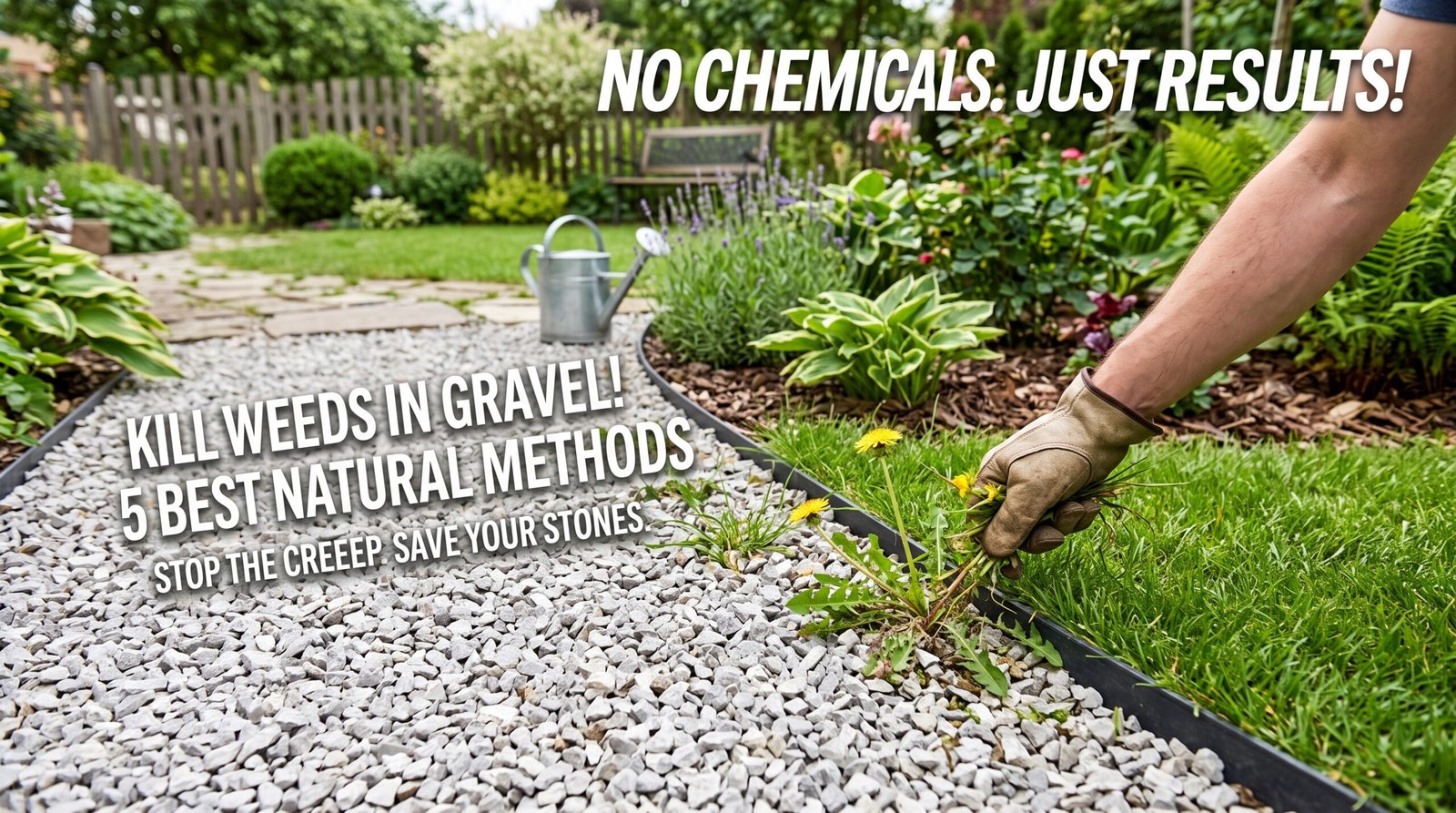
How to Stop Weeds in Gravel: 5 Best Ways to Kill Grass Permanently
Learning how to stop weeds in gravel permanently is one of the most common challenges for homeowners managing stone pathways, patios, and decorative garden borders. Laying down clean limestone, river rock, or pea gravel creates crisp, low-maintenance outdoor spaces, but stubborn turf grass creeping through stone borders and broadleaf seedlings quickly disrupt an otherwise polished yard.
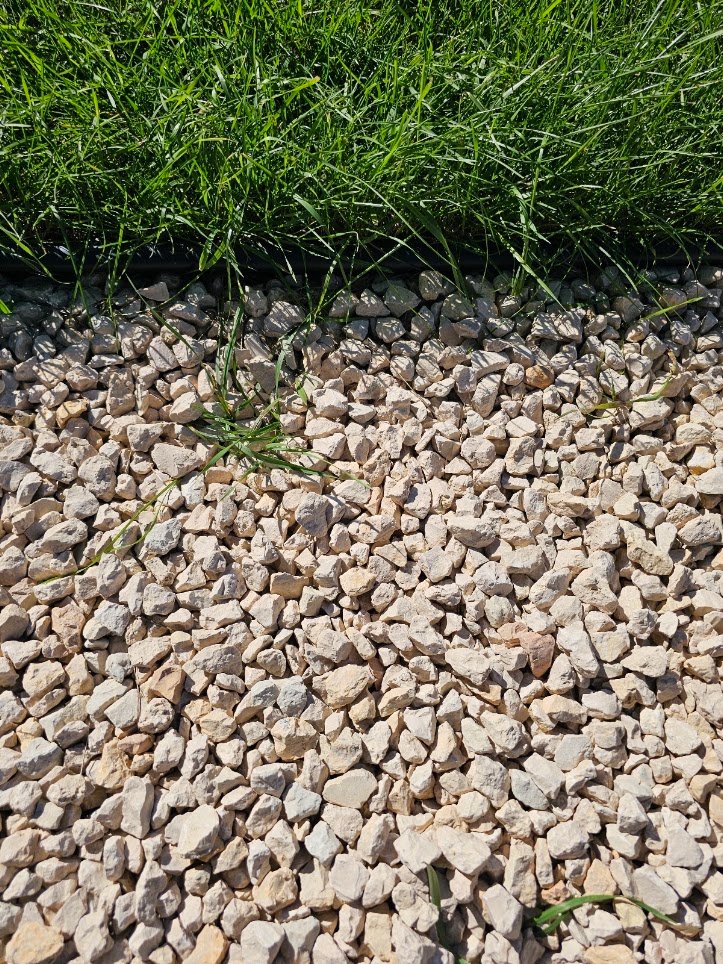
If you find yourself constantly yanking growth out of rock beds only to watch it return two weeks later, you are not alone. When deciding how to stop weeds in gravel without spending hours pulling roots by hand, you first need to identify exactly how seeds establish themselves inside stone beds.
Why You Get Grass and Weeds in Gravel Beds
Most homeowners assume weeds push straight upward through the native soil beneath the rock. While that can happen when low-grade landscaping fabric degrades or tears, two primary culprits cause recurring growth in decorative rock:
- Airborne Seeds and Silt: Dust, decaying tree leaves, and flying mower clippings settle into the voids between stones over time. As this organic matter breaks down, it creates a thin layer of compost resting right on top of the underlayment. Windblown seeds land directly in this silt layer, receive rainwater, and establish shallow root systems.
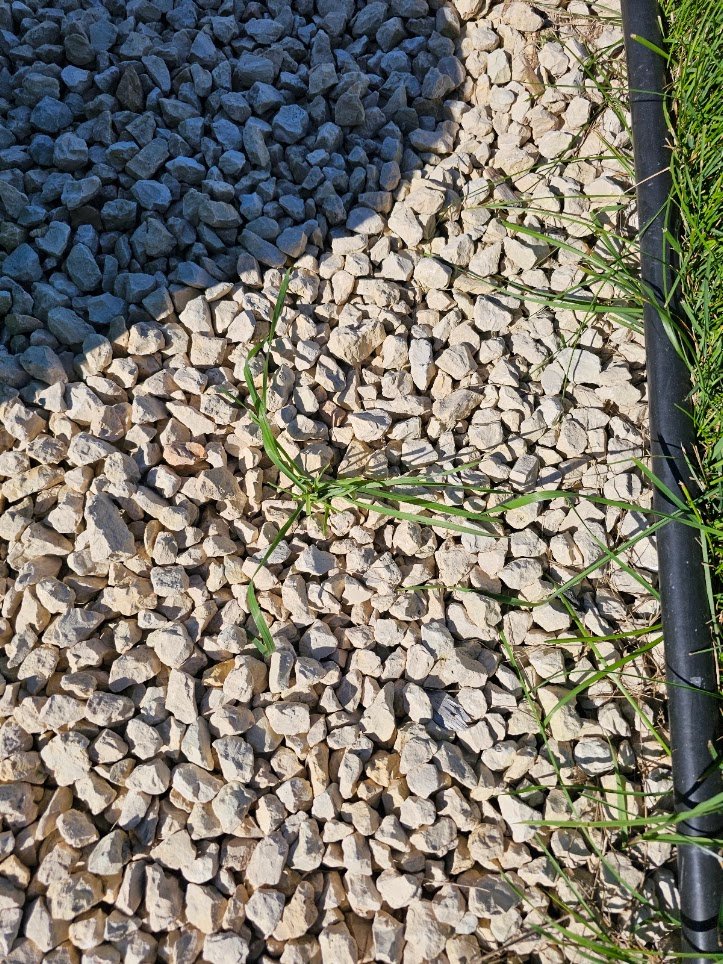
- Aggressive Lawn Stolons: Common turf varieties spread through aggressive surface stolons and shallow underground rhizomes. Without a sturdy physical lip to block them, grass shoots push directly under, through, or over shallow border edging into loose gravel.
Step 1: Fix Compromised Edging Borders
Inspect the perimeter boundary between your turf grass and your rock beds. In many yards, flexible plastic edging sinks, heaves from seasonal frost cycles, or splits apart at connector joints. Once an edging strip drops level with or below your lawn grade, turf runners bypass the border completely.
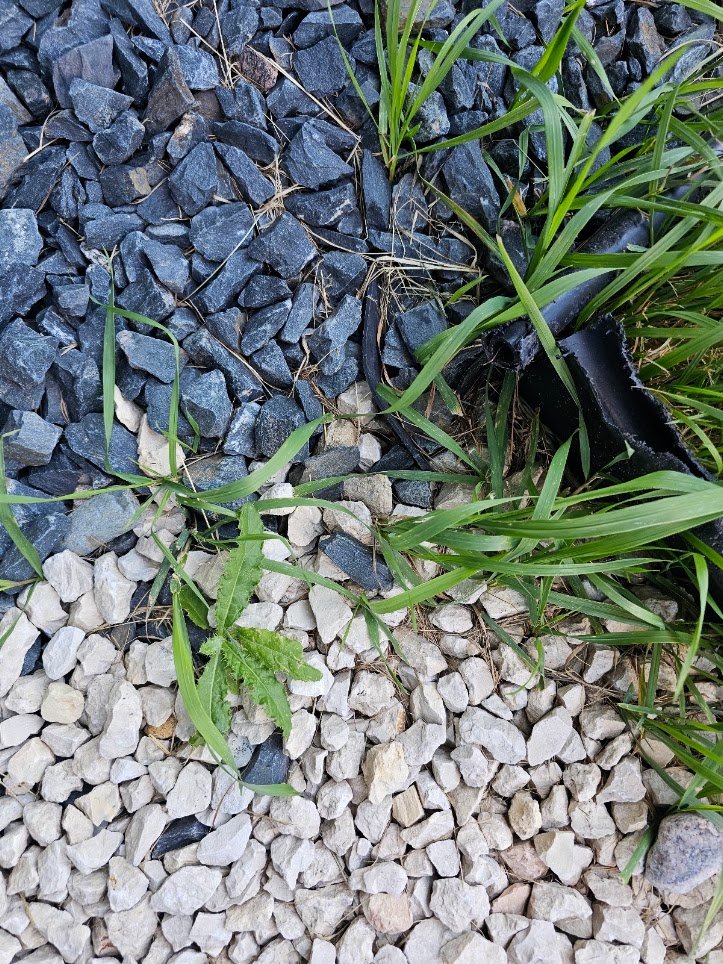
- Reset the Edging Depth: Reinstall or elevate your border edging so the top lip sits 0.5 to 1 inch above the lawn surface, creating a physical wall that stops spreading surface runners.
- Overlap Fabric Transitions: Where landscape fabric meets edging or where different gravel layers intersect, overlap woven commercial landscape fabric by at least 8 to 12 inches and anchor it tightly using heavy-duty steel landscape staples.
Step 2: How to Stop Weeds in Gravel Naturally
Before establishing ongoing prevention habits, remove the root networks currently anchored in the rock voids. If you are researching how to stop weeds in gravel without resorting to harsh synthetic chemicals, try these targeted options:
- Targeted Hand Weeding After Rain: Pull weeds when the ground is damp. Moist conditions allow you to lift the entire root crown without breaking the stem off at rock level.
- Propane Flame Weeding: A specialized thermal garden torch superheats water inside weed plant cells in seconds, bursting cellular structures so root systems dry out without displacing gravel or applying synthetic chemicals.
- Eco-Friendly Salt and Vinegar Spray: On warm, sunny days, combine 20% horticultural vinegar, a cup of standard table salt, and two tablespoons of liquid dish soap. This natural desiccant mixture strips the protective waxy coating from foliage and draws out cellular moisture rapidly. Confine this mixture strictly to standalone rock areas, as salt affects soil chemistry long term. For more on organic applications, review weed management research from the Penn State Agricultural Extension.
Step 3: Long-Term Prevention Routines
Knowing how to stop weeds in gravel for good comes down to consistent seasonal maintenance. Preventing seeds from establishing footholds takes far less effort than clearing overgrown beds once seasonal growth takes over:
- Blow Out Organic Debris Monthly: Run a leaf blower across gravel pathways on a low throttle setting. Sweeping out grass clippings, soil dust, and fallen leaves removes the organic silt weeds need to germinate.
- Angle Your Trimmer Line: When trimming along border edging, tilt the line trimmer slightly away from gravel beds to avoid throwing fresh grass cuttings and seeds directly into the stone pockets.
- Maintain a 2- to 3-Inch Stone Depth: Ensure your gravel coverage maintains a consistent thickness of at least two to three inches. Thin gravel layers allow sunlight to filter through to dormant seeds resting on the fabric underneath.
Final Thoughts on Keeping Gravel Clean
Once you understand how to stop weeds in gravel at the source, routine yard care becomes much easier. By correcting weak edging seams, clearing accumulated organic sediment, and applying natural spot treatments, you will maintain crisp, uniform rock beds that stay weed-free throughout the entire growing season. For more outdoor maintenance projects and practical DIY tutorials, check out our latest guides in Garden DIY & Outdoor Projects.